Orthodontic relapse
A shift of the teeth back toward their previous positions after active orthodontic treatment.
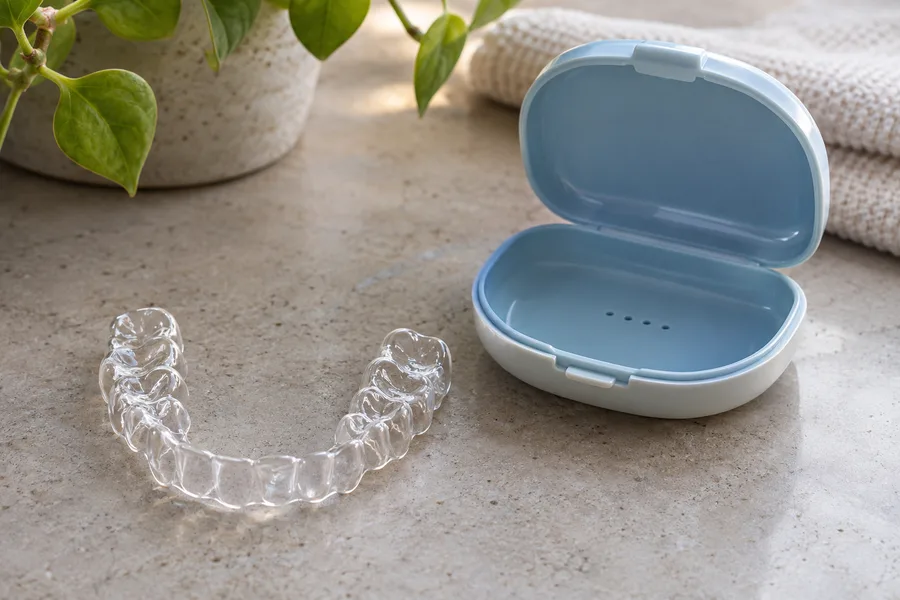
Supporting tissues adapt after tooth movement, and tooth position can keep changing over time. Retainers help maintain the alignment achieved with treatment.
What changes may show up first
A tooth may rotate, a gap may reopen, or the retainer may no longer fit as it did. Teeth can also shift naturally with age. The orthodontist can compare the current position with the end-of-treatment records.
If a tray no longer seats fully or part of a bonded wire has come loose, the clinic can examine the appliance and discuss repair, replacement or further correction.
To describe a change, note when the tray first became harder to seat and whether you noticed a rotated tooth or a new gap. End-of-treatment records help the orthodontist judge what has shifted.
Source — AAO.