Orthopedics: Insoles, Braces, Supports and Sleep, Explained
How orthopedic products work, who they help and what to check before you buy.
This section covers insoles, braces, back belts, splints, footwear, mattresses and pillows. Each guide sets out what clinical guidelines and trials actually say, so you can tell which devices have support, which have little, and when a symptom needs a clinician rather than a product.
What the evidence looks like
Results vary a lot from one device to another. The 2023 physical therapy guideline for heel pain advises against relying on foot orthoses alone for short-term pain, while giving its highest grade, A, to night splints for people with morning heel pain. NIOSH does not recommend back belts to prevent injuries in workers who have never been injured. For people with diabetes at risk of foot ulcers, the International Working Group on the Diabetic Foot recommends properly fitting footwear and, after a healed ulcer on the sole, therapeutic footwear that relieves pressure.
Where to start
- Heel pain: insoles for plantar fasciitis
- A child’s feet: flat feet in children
- Knee arthritis: knee braces for osteoarthritis
- Lifting at work or back pain: back support belts
- Diabetes: footwear for diabetes
- A recent sprain: ankle braces after a sprain
- Sleep and back pain: mattress for back pain
- Neck pain: pillows for neck pain
- A bunion: bunion splints and toe spacers
- Numb or tingling hands: wrist splints for carpal tunnel
How to read these guides
Each guide lists its sources and describes study results without telling you what to buy. The articles have not yet had a medical review, which is shown on each page. Pain that keeps getting worse, numbness, a wound on the foot or a recent injury calls for an in-person exam before you spend money on any device.
Articles
Footwear
-
Flat Feet in Children: When Arch Supports Help and When to Wait
Most children with flexible flat feet have no pain and need no treatment. What studies show about arch supports and which signs mean a doctor should look.
-
Footwear for Diabetes: Shoes, Insoles and Daily Foot Checks
IWGDF and ADA guidance on shoes for people with diabetes: who needs therapeutic footwear, how fit is checked and which foot changes need urgent care.
Insoles
-
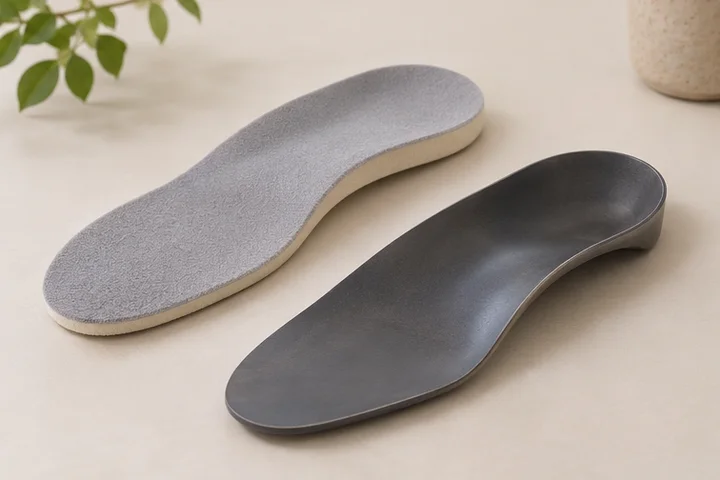
Custom vs prefabricated insoles: how to compare
Compare fitting, adjustments and total cost. See what research found when custom and prefabricated foot orthoses were compared for heel pain.
-
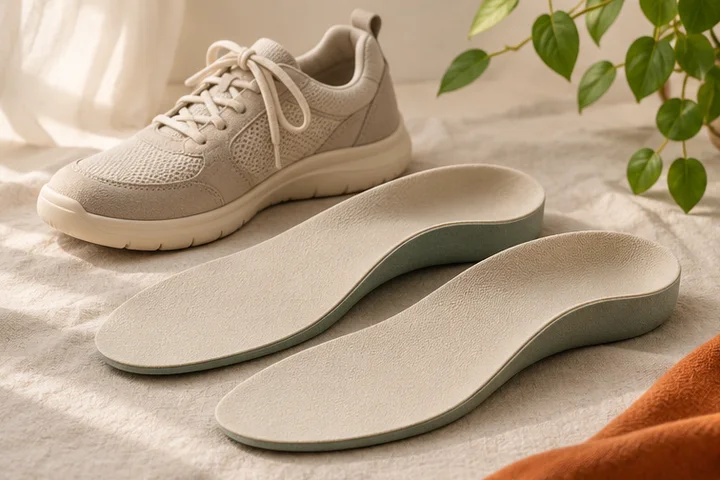
How to choose orthotic insoles: fit and types
Compare cushioning inserts, prefabricated orthoses and custom devices. Learn what to check inside your shoes and what to ask at a fitting.
-
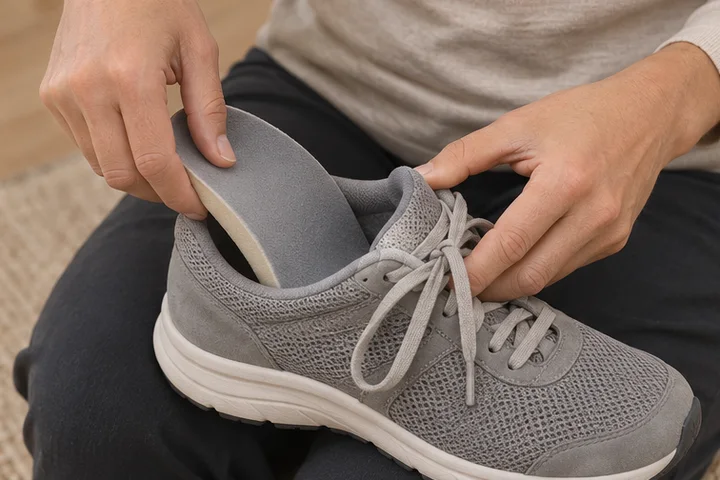
Orthotic insoles and shoes: how to check the fit
Check heel depth, toe space and insole movement before altering an orthosis. Learn what to bring to a fitting or follow-up.
-
Insoles for Plantar Fasciitis: What the Evidence Shows
In trials, insoles alone did little for plantar fasciitis pain. Guidelines favor stretching, taping and night splints, with insoles only as an add-on.
Pillows and mattresses
-
Mattress for Back Pain: What Trials Say About Firmness
In trials, medium-firm mattresses did better than very firm ones for chronic low back pain, but the differences were modest. What to weigh before buying.
-
Pillows for Neck Pain: What the Research Actually Shows
Studies of pillows for neck pain are small and mixed. Some materials did better than others, but no pillow type is clearly best. What to consider.
Orthoses
-
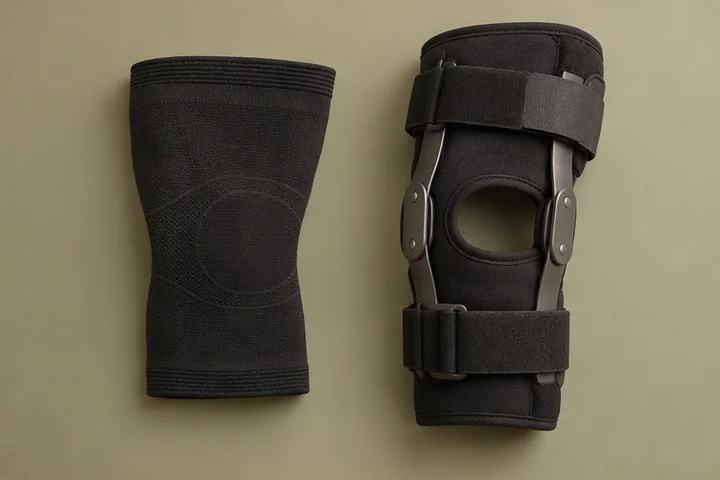
Types of knee braces: support, fit and selection
Compare sleeves, hinged supports and unloading braces. Learn what to check when fitting a knee brace and what to ask about arthritis.
-
Bunion Splints and Toe Spacers: What They Can and Cannot Do
Splints, toe spacers and insoles may ease bunion pain, but none has been shown to permanently correct a bunion. What studies found and when surgery comes up.
-
Wrist Splints for Carpal Tunnel Syndrome: What Studies Show
A night wrist splint is a common first step for carpal tunnel syndrome. The latest Cochrane review finds uncertain benefits and only temporary side effects.
Braces and supports
-
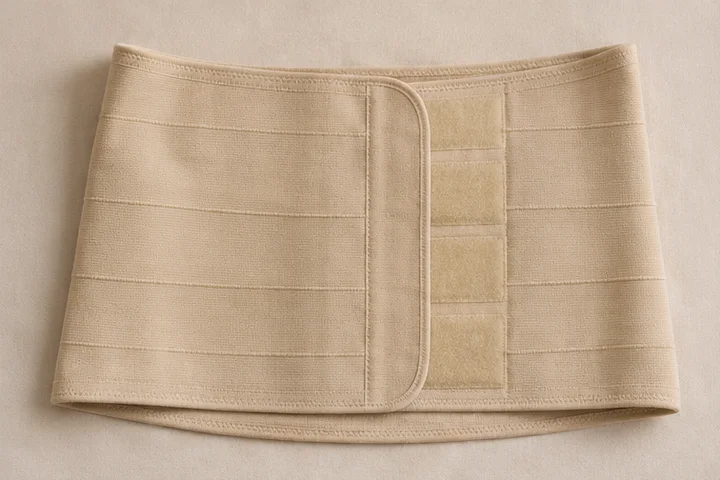
Abdominal binders after surgery: fit and questions to ask
Learn what evidence says about postoperative binders, how to compare width and closure, and what to ask your surgical team about fit.
-
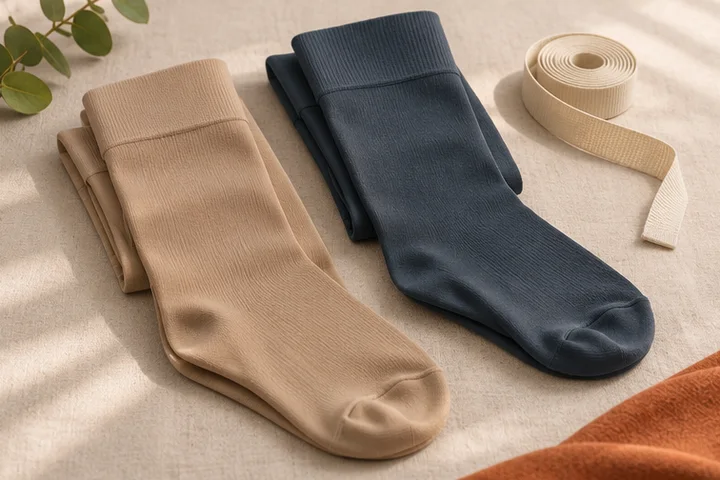
Compression stockings: types, sizing and fit
Compare knee-high, thigh-high and waist-high compression garments. Check pressure labelling, measurements and fitting questions.
-
Ankle Braces After a Sprain: Recovery and Preventing Repeats
For most ankle sprains, guidelines favor early movement, exercise and a brace or tape, and bracing has strong evidence for preventing repeat sprains.
-
Back Support Belts: Do They Prevent or Treat Low Back Pain?
Back belts have not been shown to prevent back injuries at work, and their value for treating back pain is unclear. What studies found and what helps instead.
-
Knee Braces for Osteoarthritis: What Guidelines Recommend
US guidelines support knee braces for some people with knee osteoarthritis, but trial results are mixed. Which brace suits which problem and what comes first.
Movement and balance
-
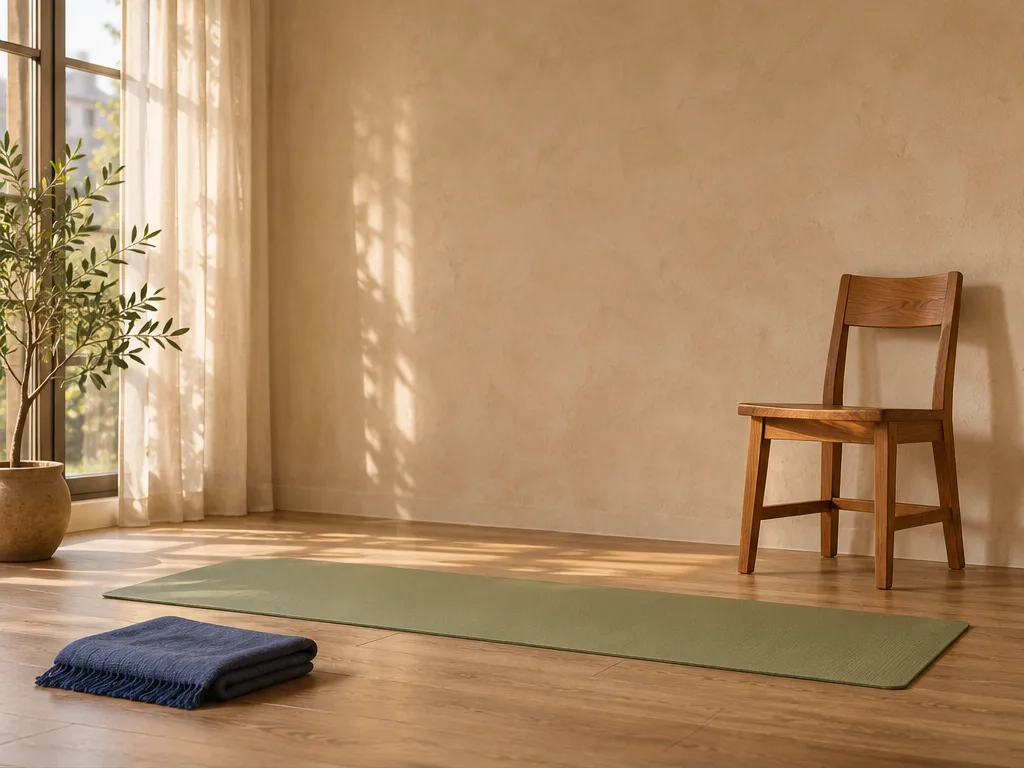
Beginner yoga at home: choosing your first poses
Try mountain pose at home, choose between a chair and a mat, and learn what to look for in a beginner yoga class before you press play.
-

Chair yoga for beginners: three poses you can try seated
Set up a stable chair and explore seated mountain, a small seated cat movement and a side bend, with ways to adjust the range.
-
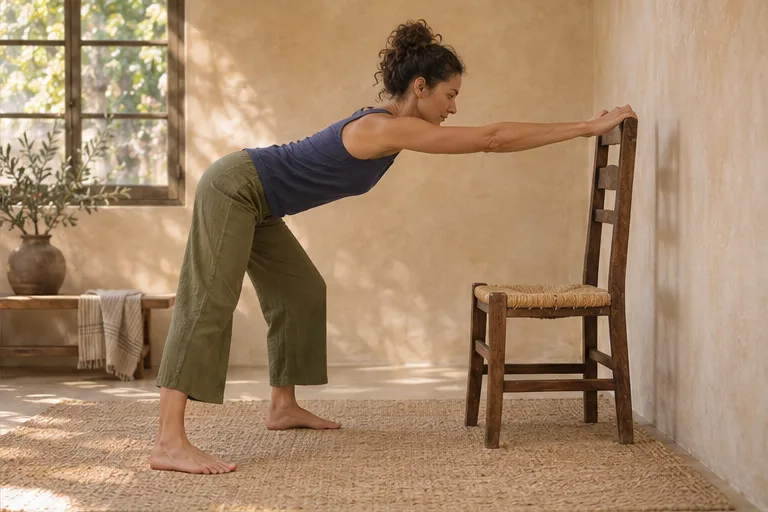
Downward-facing dog: how to try a supported chair variation
How downward dog works, how a higher hand support changes the pose, and what to consider if your wrists hurt or you have glaucoma.
-
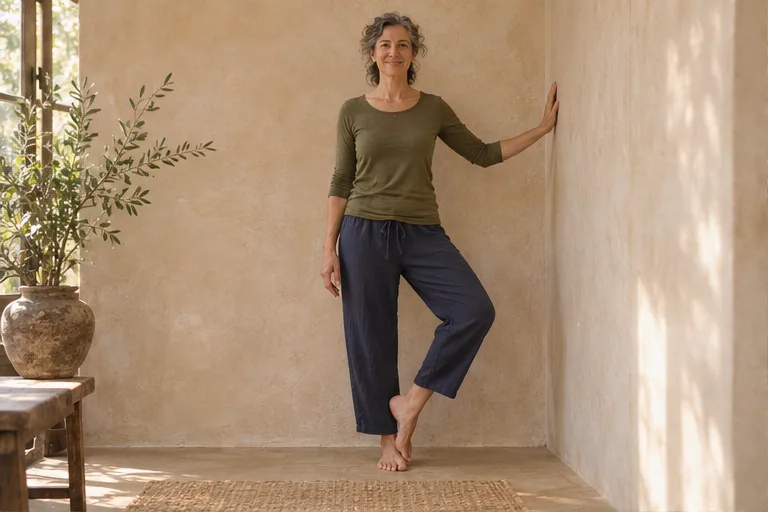
Tree pose for beginners: finding balance beside a wall
Where to place your foot in tree pose, how to use a wall, and how to come out of the pose if you start to wobble.
-

Yoga breathing for beginners: a gentle introduction to pranayama
Try a quiet seated breath. Learn how alternate-nostril breathing, humming and breath retention differ, and when to pause a yoga breathing exercise.
-
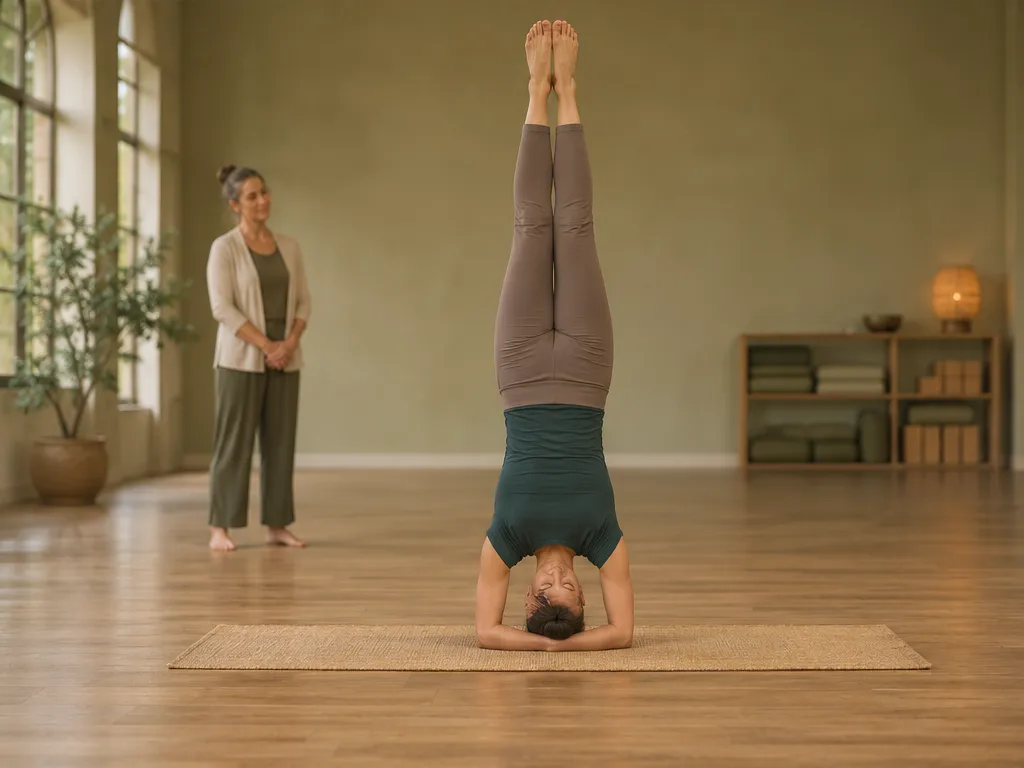
Yoga headstand: what research says about neck load and eye pressure
How much weight reaches the head in Sirsasana, what researchers measured in the eyes, and how beginners can explore balance while standing.
-
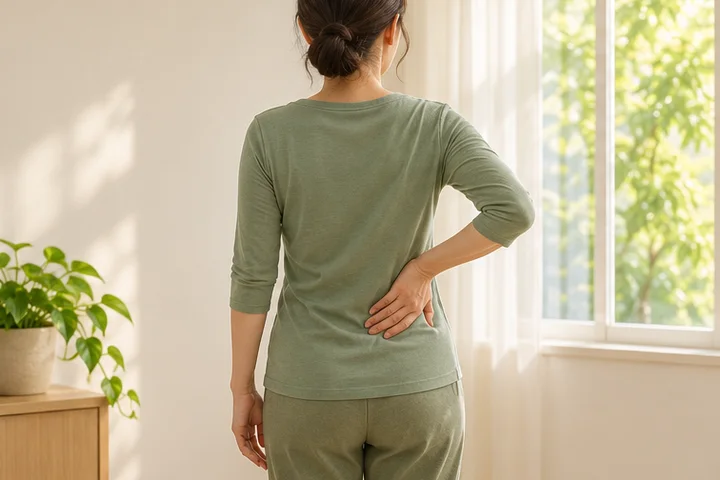
Back muscle spasms: causes and when to get help
What sudden back tightening may mean, which symptoms need urgent care and what details to bring to a healthcare appointment.
-
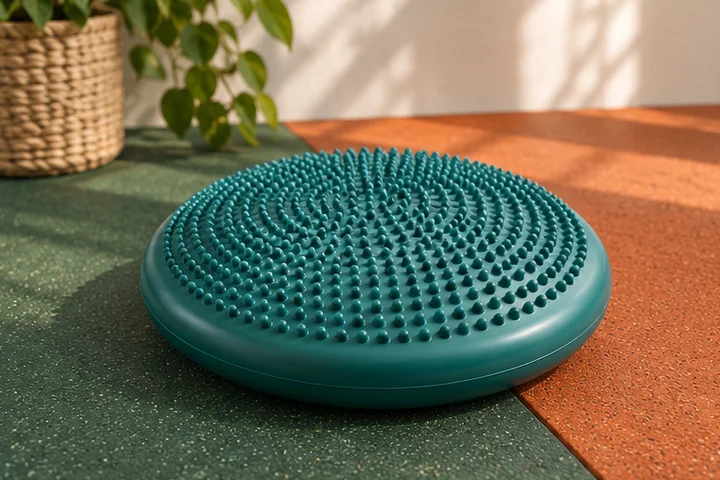
Balance cushions: what they do and how to choose one
Compare air-filled balance discs, foam pads and the floor. Learn when an unstable surface is useful and what to check on the label.
-
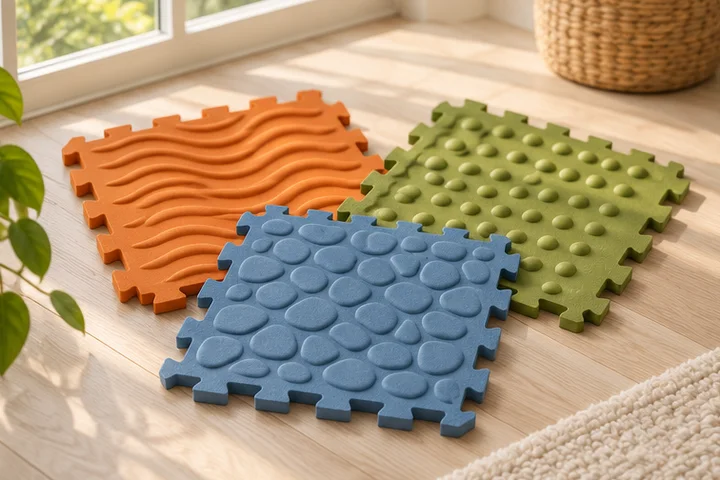
Children’s play mats: foam, folding and textured options
Compare play mats for floor activity by grip, seams, cleaning and intended age. See what textured mats can realistically offer.
-

Gentle neck movements: turns, tilts and shoulder motion
Explore gentle seated neck and shoulder movements. Learn what to check at a desk and when to ask a clinician about symptoms.
-
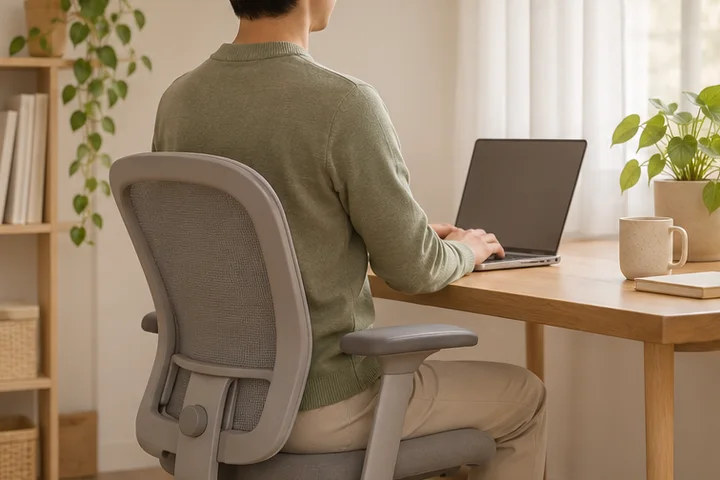
Posture and back pain: what the evidence shows
Learn how to separate comfort in a position from the cause of pain. Check your workstation and gather useful observations for an appointment.
-
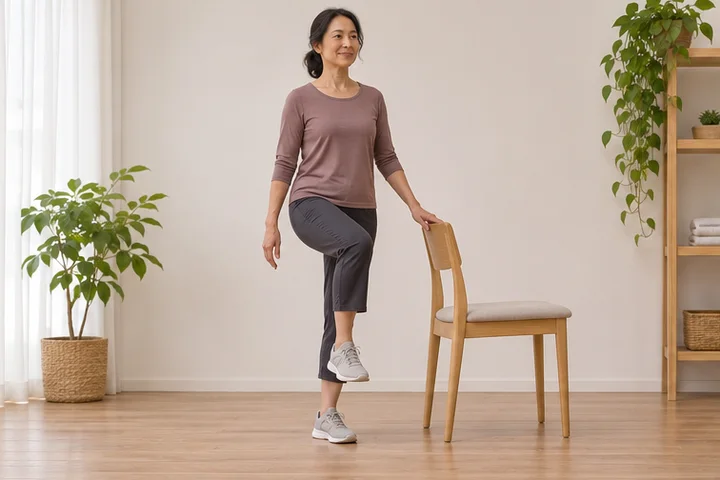
Standing back mobility: seven movements without a mat
Seven ways to move while standing, with a wall or steady chair for support. See how to reduce the range or make the stance steadier.
-
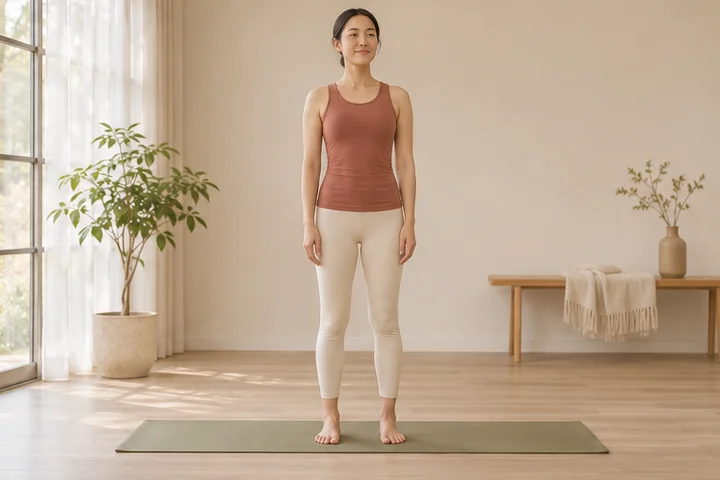
Sun salutation: what Surya Namaskar involves
Understand the structure of a sun salutation, why versions differ and what to ask a yoga instructor before your first class.
Team
- Editorial team
Author, Editor